
Filters
Audience
Language
Type
Infection
How can Canada’s response to antimicrobial resistance (AMR) better reflect Indigenous priorities, knowledge and strengths? This 2024 research report, led by Suzanne Hindmarch and colleagues, explores Indigenous organizations’ perspectives on AMR and the challenges of addressing it in Indigenous communities. It examines structural barriers, including access to clean water, housing and health services, while highlighting community strengths and recommending meaningful Indigenous leadership in AMR research, policy and action.

In this podcast episode, Anna-Louise Crago, a Public Health Agency of Canada epidemiologist, explores the relationship between antimicrobial resistance (AMR) and sexually transmitted and blood borne infections. The discussion highlights inequities in access to testing and treatment, the importance of avoiding stigma and blame toward disproportionately affected communities, and opportunities for community-informed approaches to prevention.
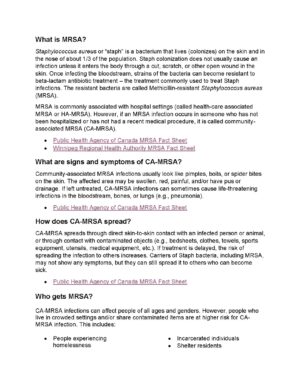
Correctional facilities and shelters can present particular challenges for preventing and managing methicillin-resistant Staphylococcus aureus (MRSA), including those related to shared spaces, overcrowding and access to hygiene resources and health care. This NCCID fact sheet provides information about MRSA in these settings, supporting greater awareness of infection prevention needs and the importance of approaches that account for the conditions in which people live. It offers a useful resource for health professionals and others working in community health and congregate settings.
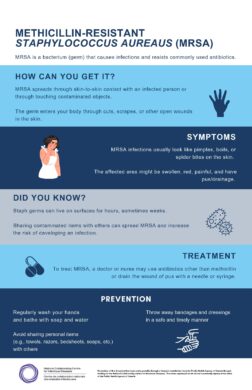
Community-associated methicillin-resistant Staphylococcus aureus (CA-MRSA) can disproportionately affect some under-resourced communities, where overcrowding and barriers to hygiene resources and health care can complicate infection prevention and treatment. This accessible infographic outlines how MRSA spreads, common symptoms, treatment and prevention strategies. It can be displayed or shared in clinical and community health settings to support infection prevention and awareness.
This video was debuted at the UN High-Level Meeting on AMR, held April 29, 2021. It highlights the global efforts of patients, clinicians, and organizations and the actions needed to reduce the risk of antimicrobial resistance (AMR).
Antimicrobial resistance (AMR) affects people and communities around the world, and addressing it takes collective action. The Antimicrobial Resistance Fighter Coalition brings together stories from patients and family members, clinicians, researchers, and people working in organizations around the world who are committed to tackling AMR. Explore their stories to learn what motivates them, how they are contributing to the response, and why addressing antimicrobial resistance matters.
AMR Action, Animal Health Canada: This website highlights Canada’s Leadership in Antimicrobial Resistance (AMR) in Animal Health. Animal Health Canada’s leadership and surveillance roles are outlined alongside the distinct stewardship initiatives of its members–a wide range of key animal health organizations and commodity groups in Canada.
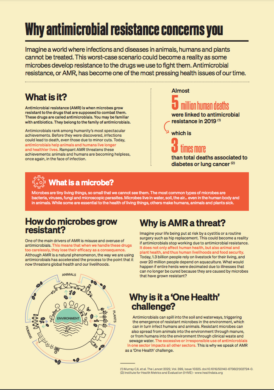
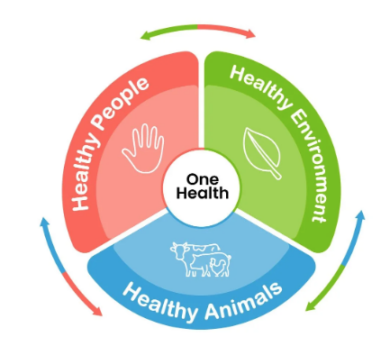
An overview of the “One Health” challenge of AMR from the World Organisation for Animal Health, including how AMR develops and why it spreads.

This brochure addresses several questions that consumers commonly ask about antibiotic use in chickens and describes antimicrobial practices and policies, as well as good practice tips for consumers.
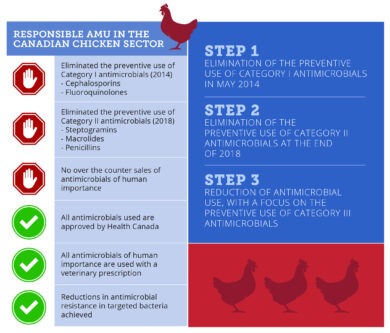
Chicken Farmers of Canada supports the responsible use of antimicrobials in both animal and human medicine and are researching ways to control, monitor, and reduce their use on-farm through an antimicrobial use (AMU) strategy. Find the strategy, factsheets about antibiotic use in this sector, and good-practice tips for consumers here.

Don’t rush to antibiotics.

This CWC toolkit provides practical resources to support the design and evaluation of audit and feedback (A&F) interventions in primary care. A&F delivers targeted feedback to clinicians to encourage improvements in prescribing behaviour and has been shown to reduce unnecessary antibiotic use—an important component of antimicrobial stewardship.
National antimicrobial prescribing guidelines for the empiric treatment of common infectious syndromes, an initiative for progress on the Pan Canadian Action Plan on Antimicrobial Resistance 2023-2027. These recommendations promote judicious antibiotic use for the management of common infections in primary care.
A set of video training modules demonstrating evidence-based communication strategies around antimicrobial use.

The Community Acquired Pneumonia (CAP) management tool, developed in 2024-2025 by Manitoba AMR Alliance, provides a guideline for treating CAP among adult patients in Manitoba.
This fun quiz helps you discover which antibiotic best matches your personality. It’s a great way to spark conversations about AMR and get people thinking about antibiotics in a new way.
Learn key facts about a variety of pathogens and antimicrobials in an engaging, interactive, and fun platform. A new puzzle will be released daily throughout WAAW 2025, after which all puzzles will remain accessible for replay.
See the recommendations for practice to reduce unnecessary antibiotic use in long-term care, and resources to support conversations on why urine dipsticks and urinalysis may not always be helpful.

Choosing Wisely Canada’s toolkit features easy-to-use tools and resources to help clinicians and caregivers manage bronchiolitis appropriately.

The focus of this toolkit is on managing tooth pain and determining when it is appropriate to prescribe antibiotics. The guidance in this toolkit applies to adult patients, including those with medical complexity, who are capable of producing an immune response to a bacterial challenge.

The Antimicrobial Stewardship Competencies: A Pan-Canadian Framework for Nurses serves as a pivotal guidance document for nurses nationwide in the battle against AMR.
A real-time X Chat promotes appropriate antibiotic use and stewardship in practice. Chats are open to all and run on the third Thursday of each month from 7-8 PM EST. Follow @ASP_chat for information.
A free, self-directed online course providing community-based practitioners with the latest evidence and treatment guidelines for use of antibiotics in primary care. Certified for 3.5 Mainpro+ credits.
This comprehensive guide to antimicrobial therapy and aid to wiser antibiotic use in front-line practice is available as a mobile app for both Android and iPhone.
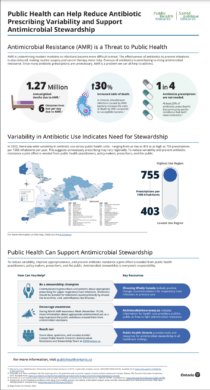
Infographics on strategies to reduce antibiotic overuse in primary care from Public Health Ontario.
Practical, evidence-based information on how to promote antimicrobial stewardship in a range of healthcare settings, from Public Health Ontario.

To be used with patients who have a suspected viral infection, this time-saving educational tool provides information about symptomatic relief and indicates when to consider a return visit. Adult and child versions are available. Order free copies here.
Help stop inappropriate antibiotic use for asymptomatic bacteriuria in long-term care residents and elderly patients in acute care. Download bilingual resources, freely available for use in your practice setting.
Pharmacy5in5 is an online learning platform designed by pharmacists, popular for its innovative digital tools. Registration is open to pharmacy professionals in Canada. Check out their short video on antibiotic prescribing.
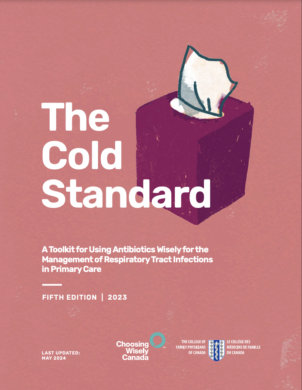
The fifth edition of Choosing Wisely Canada’s The Cold Standard toolkit has been released for managing respiratory tract infections in primary care. Includes multi-lingual posters.